Dr Bertram FUE Hair Transplant 美絲植髮
Hong Kong 香港
Dr. Shoji Okuda, a Japanese Dermatologist, performed the first modern hair transplant. Using punches as small as 1mm, he successfully transplanted hair follicles. This was a breakthrough — the first proof that hair follicles could be relocated and continue to grow.
His work, published in 1939, was written in Japanese and never reached the west.
What we learned: Hair follicles can be relocated and continue to grow. This is the foundation of all modern hair restoration.
In 1952, a 30-year-old patient walked into Dr. Norman Orentreich's office and asked: "Can you take hair from the back and move it to the front?" No one had ever done it before. The patient volunteered to be the guinea pig.
Orentreich accepted the challenge. He proved that transplanted hair can grow permanently — the scientific foundation of modern hair restoration.
However, his 4mm punch grafts often produced unnatural "pluggy" results. Patients got hair back, but it didn't look natural.
What we learned: Hair transplant works. But the "unnatural look" problem needed to be solved — leading to the development of Follicular Unit Transplant (FUT).
In the late 1980s, Dr. Bobby Limmer pioneered a new approach known as Follicular Unit Transplant (FUT). A strip of skin was removed from the back of the scalp and then dissected under microscopes to isolate naturally occurring "follicular units" (1-4 hairs per graft).
For the first time, surgeons could create hairlines that were truly undetectable — no more "pluggy" look.
Limitation: FUT leaves a linear scar. For patients who wear short hair, this scar can be visible.
What we learned: Natural hairlines are possible. But the linear scar problem needed to be solved — leading to the development of FUE.
The "Follicular Unit Extraction" (FUE) technique was pioneered by Rassman and Dr. Bernstein in USA, and Dr. Ray Woods in Australia. Instead of removing a strip of skin, individual follicular units were extracted directly using small punches (0.8-1.0mm).
Initially, FUE was not widely accepted. Transection rates were high, extraction speed was slow, and the learning curve was long. However, with the development of motorized devices and the ARTAS Robotic System, the procedure became faster and more reliable. But a new problem emerged: the availability of better instrumentation led some practitioners to prioritize volume, resulting in overharvesting.
What we learned: FUE solves the linear scar problem. But donor depletion became a new crisis, drawing the attention of ISHRS.
3G FUE created a new crisis: DONOR DEPLETION
4G is not a marketing slogan. It is a response to the Donor Pepletion Crisis.
Hair loss is not static. Androgenetic alopecia — responsible for 95% of hair loss in men and 65% in women — progresses with age. A patient who looks good today may need a second procedure years later.
Young patients, in particular, face a lifetime of managing hair loss. Once the donor area is overharvested, there is no backup. No repair. No touch-up. Just a permanent reminder of a short-term decision.
4G Protocol is not about how many grafts we can extract in one session, it is about how many grafts we leave behind for your future.
4G is not a single technique, but a system combining sequential FUE, key area transplant, and graft survival enhancement.
This is not a personal technique, but an approach any responsible surgeon should adopt.
Our treatment philosophy: Use the minimum number of grafts necessary to achieve a natural, age-appropriate result — while preserving your donor area resources for your future needs.
Of course, our philosophy is not for everyone. We encourage you to compare different hair transplant centers. If your values align with ours, you are welcome to consider us.
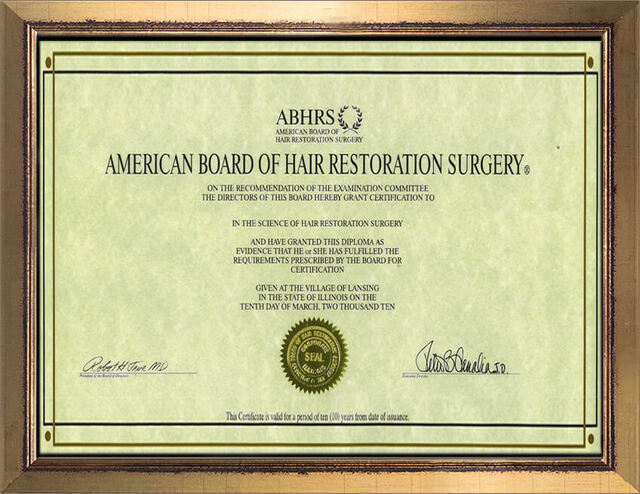
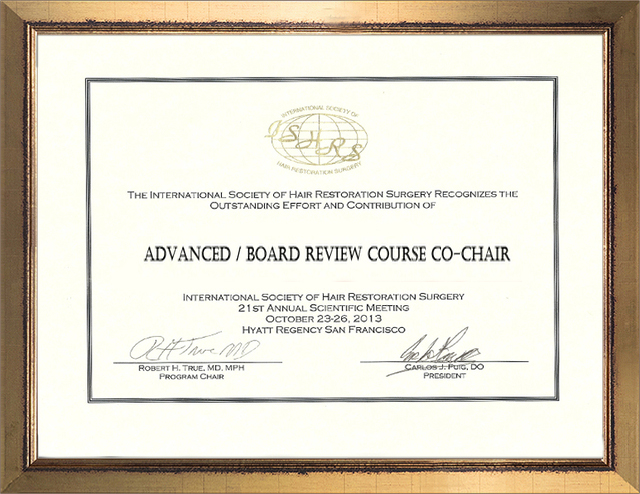
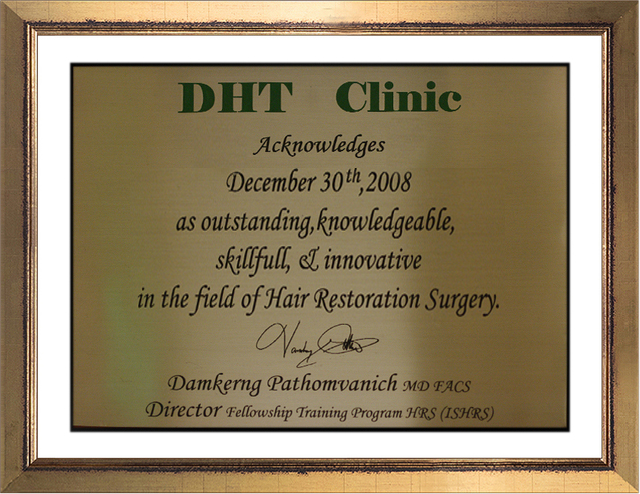
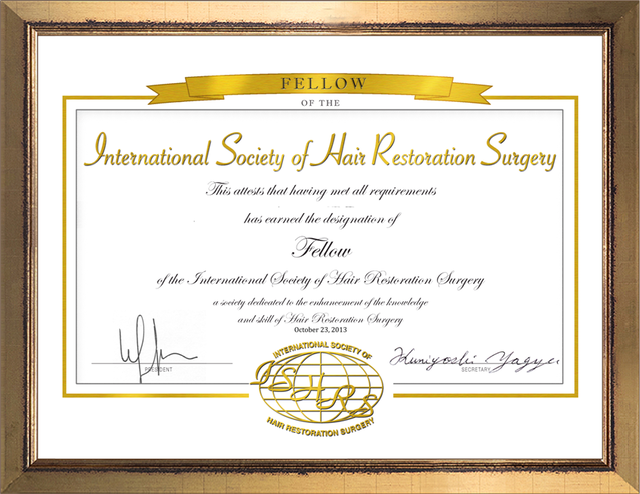
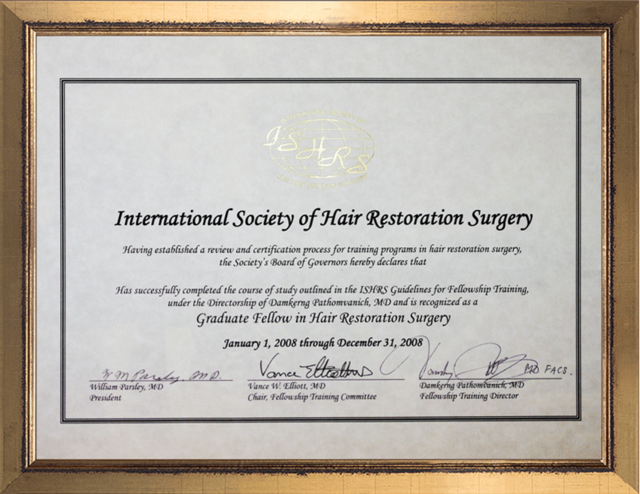

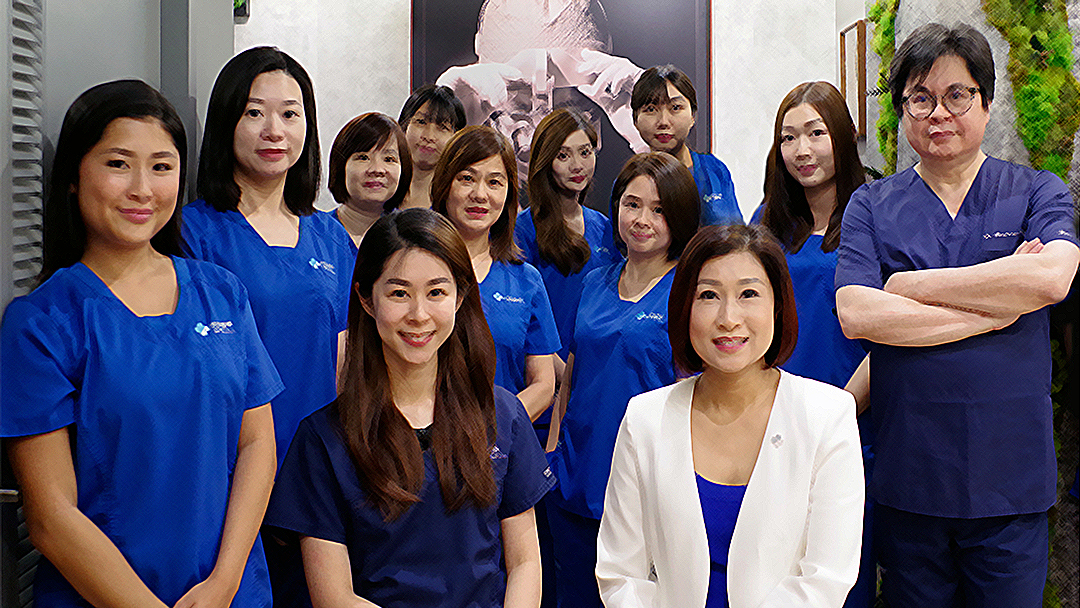
Your safety is not delegated. Registered physicians will lead every phase of your procedure - from the initial diagnosis and donor planning, to recipient site creation and aftercare.
Direct medical oversight minimizes risk and ensures decisions are based on clinical need after weighing the pros and cons.
In 2024, the Chinese Association of Hair Restoration Surgery and the Asian Association of Hair Restoration Surgeons jointly presented our center the Gold Follicle Award.
This is merely a academic record of our contribution, not a claim of 'service superiority.' We strongly advise you to seek independent medical opinion, compare different hair transplant centers, and find the treatment plan that best suits you.
Learn Our Academic ContributionLearn the procedure and explore every step of the physician-led process.
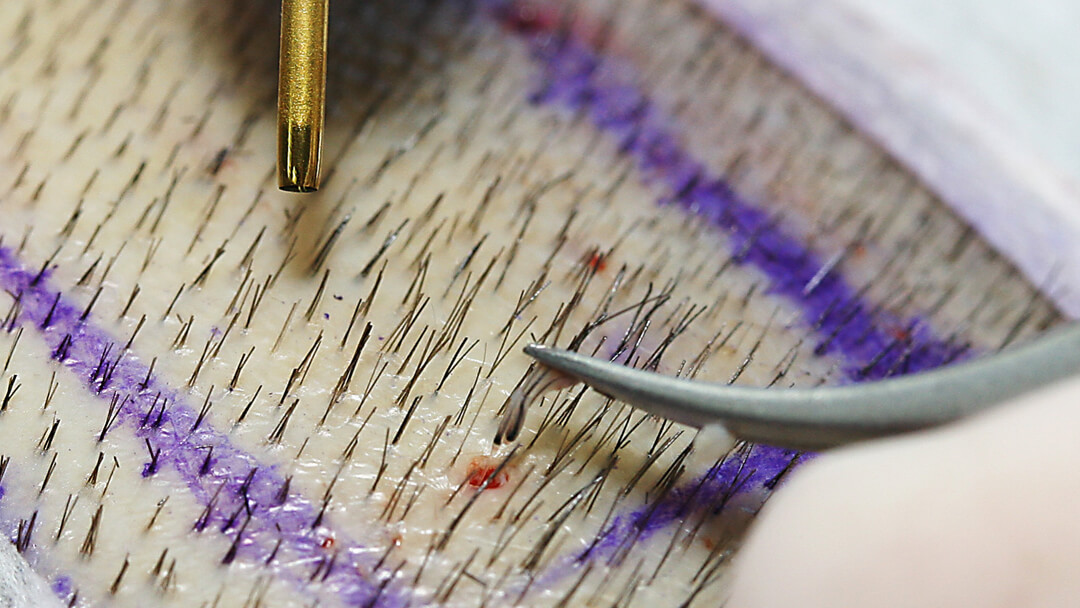
FUE procedure: Individual follicular units are extracted using a 0.8mm punch and transplanted to thinning areas.
Read More →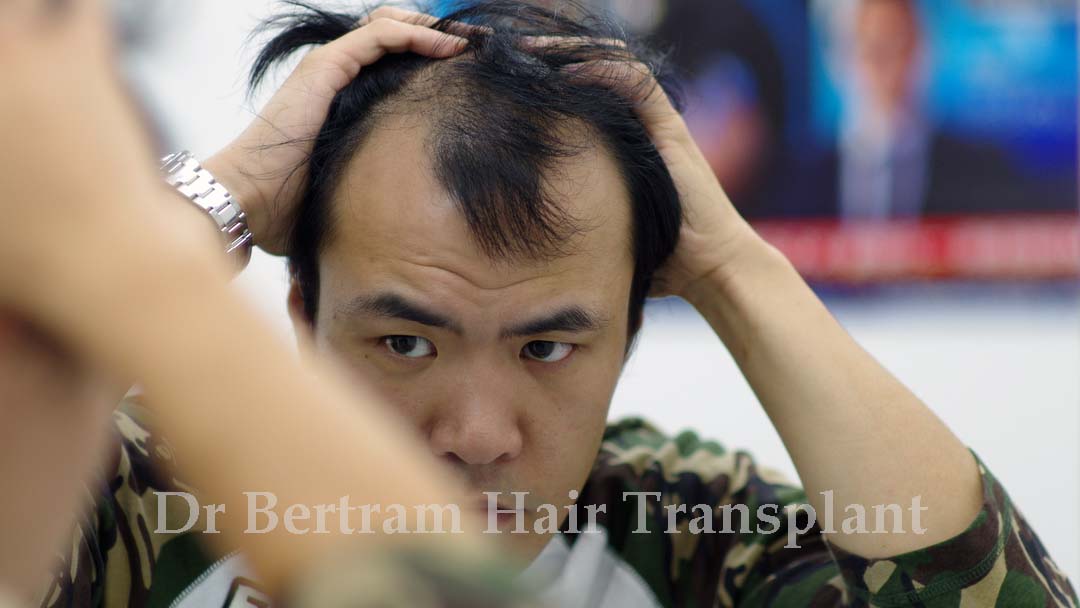
Candidacy: Decision should only be made after assessment of hair loss aetiology and expectations by a doctor.
Read More →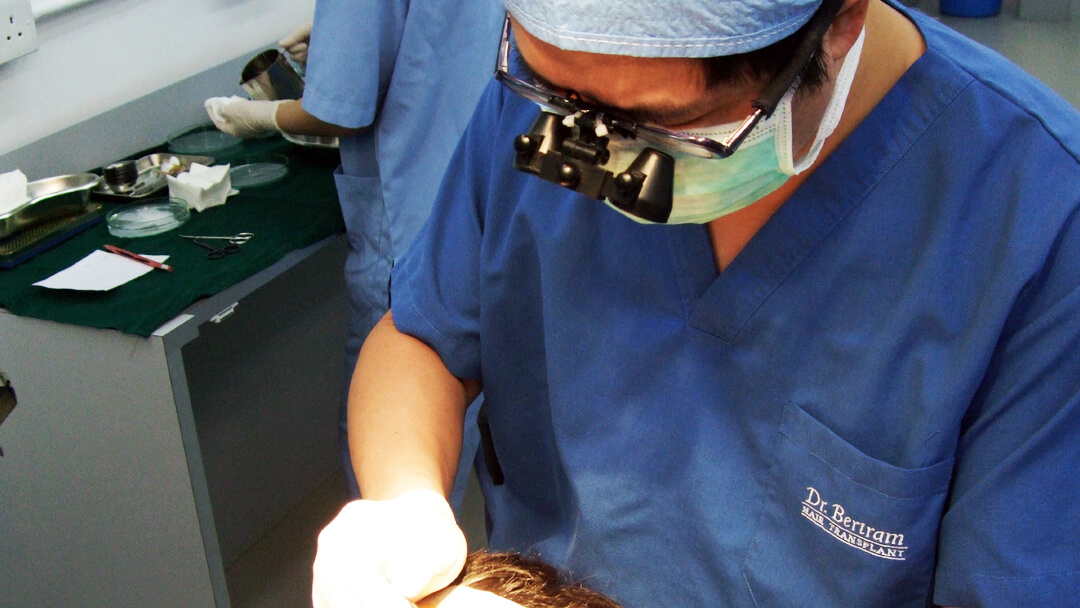
4G technique: Donor preservation, ATP bio-enhancement, low level laser, and Key Area planning for lifetime results.
Read More →
Planning: Start with a doctor consultation to assess nature of hair loss, donor hair quality & expectation.
Read More →
Aftercare: Common questions about recovery, hair wash, activities, downtime, and possible outcomes.
Read More →
Safety: Level One Conscious Sedation and low infection rate with standard sterile protocols.
Read More →Founding President of AAHRS | ISHRS Fellowship Training Director | Gold Follicle Award Recipient
His training has influenced hair restoration surgeons worldwide.
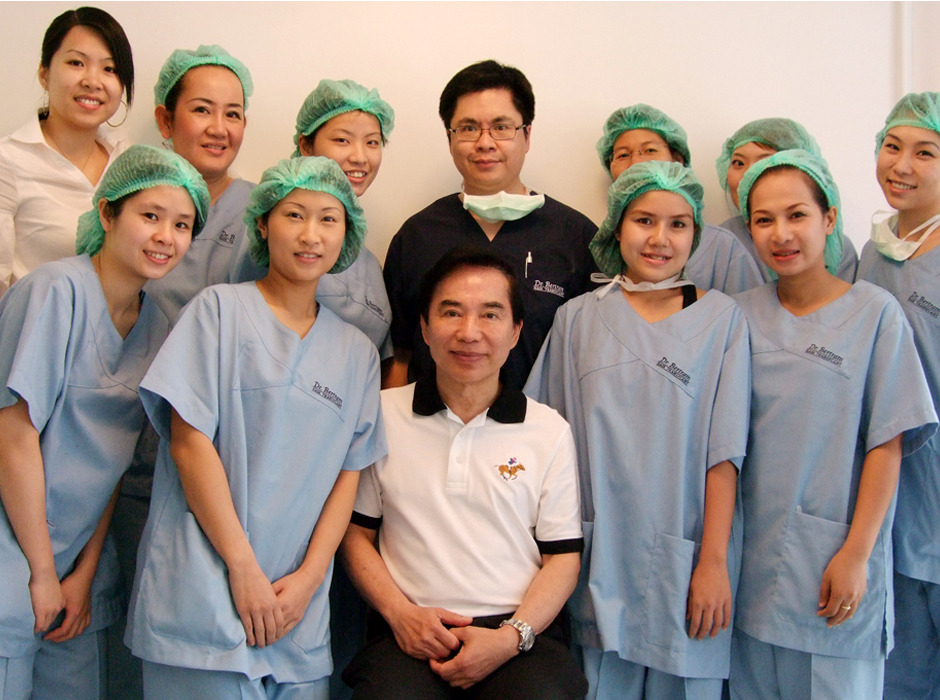
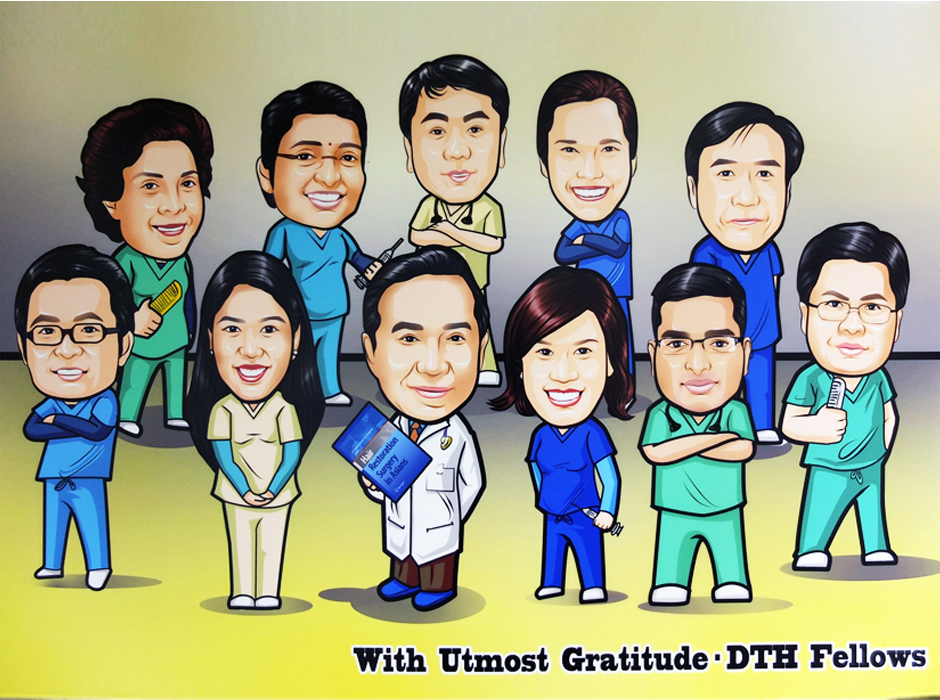
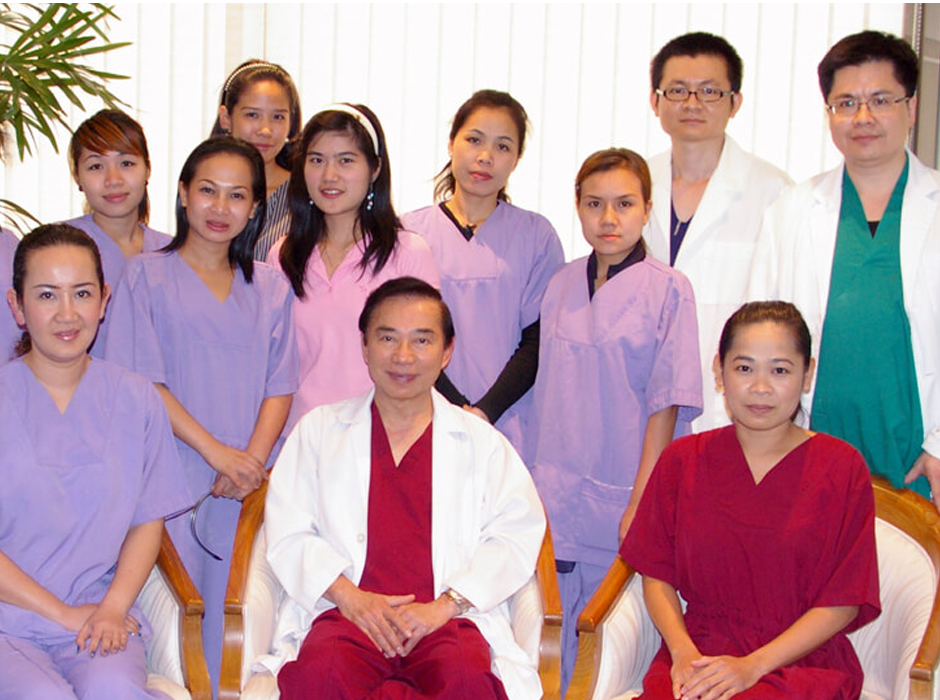
Training collaboration photos shown for illustrative purposes.
Website Content Disclaimer
Your visiting this site is purely voluntary — content you choose to see should not be construed as advertising. | Managed by Reform and contents gathered from various sources with AI assistance. | Displayed contents are dynamic and continuously updated — no guarantee that any word on any page at any time may be interpreted as promotional or as claiming superiority. If you are likely to be offended, please do not proceed. | By continuing to browse, you confirm genuine information-seeking for your own medical understanding — not evidence-gathering, not loophole-hunting, not complaint-making against this clinic or its physicians to any body. | We focus in hair transplant and repair only, not general hair loss diagnosis or medical treatment. | Using this website does not guarantee service. All cases must be screened, as not everyone is suitable for hair transplant. | Medical knowledge evolves, and updates may take time. | Please consult a doctor for treatment decisions and seek an independent second opinion before any procedure. | Academic records mentioned are for professional development (CME) documentation only. | Displayed photos are for demonstration only. Individual results vary. | If you do not agree to our full terms, please leave immediately.
Feedback welcome: +852 2890 3890 | [email protected] | Full Disclaimer
Last Updated: May 8, 2026
This website is continuously reviewed and updated. Archived versions are not authoritative.